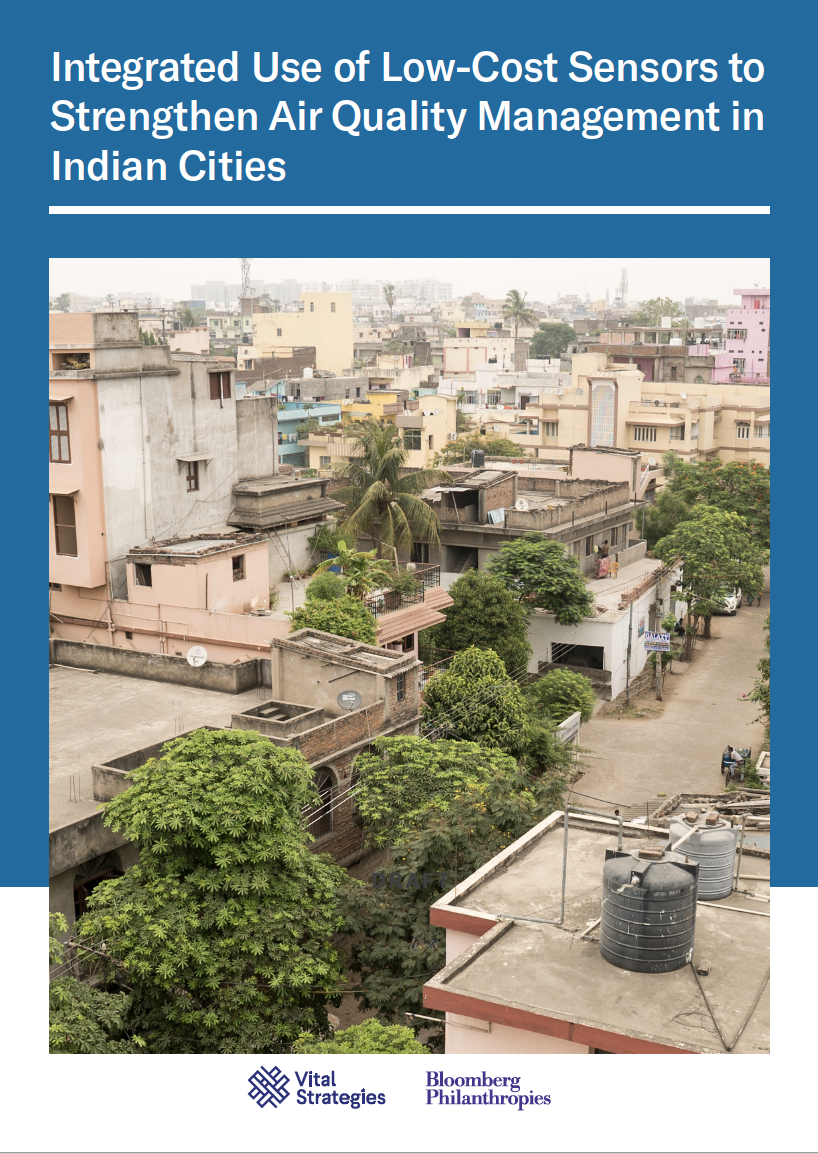
Air pollution continues to be a global challenge for the environment, health, and economic development. The burden of air pollution is greatest and increasing in countries like India with rapid economic development and urbanization. In countries with limited or no air quality regulation, this causes steep increases in harmful pollution.
For many city governments in many low- and middle-income countries, the complexity and cost of understanding and controlling air pollution have been barriers to initiating or sustaining effective clean air action. A new approach in air quality management that combines conventional solutions with innovations in monitoring, assessment, data use, and organization can accelerate clean air action, especially in cities with presently limited technical capacity.
Also available: Integrated Use of Low-Cost Sensors to Strengthen Air Quality Management
Recent Abstracts
Lessons from Vietnam’s Campaign for a Tax on Sugar-Sweetened Beverages
Principles of Alcohol Taxation
Clean Air in Jakarta: Gaps and Possibilities Toward Low Emission Practices
Public Attitudes Towards Alcohol Policy: South Africa
Quality Assurance and Improvement Framework for Medical Certification of Cause of Death and…
More Data Better Health: Climate and Health in the Legal Amazon
Mais Dados Mais Saúde: Clima e Saúde na Amazônia Legal
Health Taxes Action Guide
Opinión pública frente a la política de alcohol: Colombia
Public Attitudes Towards Alcohol Policy: Colombia